Arthur Ravenel Jr. Bridge Wall Art

Framed by palm trees, this picturesque bridge photograph will look wonderful in your home or office.

The Arthur Ravenel Jr. Bridge is an architectural wonder. Designed by the renowned firm of Cline Design Associates, this cable-stayed bridge spans the Cooper River and connects Charleston to Mount Pleasant, South Carolina. This bridge was opened on July 16, 2005 and replaced two older bridges, the Silas N. Pearman Bridge and the John P. Grace Memorial Bridge (built in 1929 and 1966).
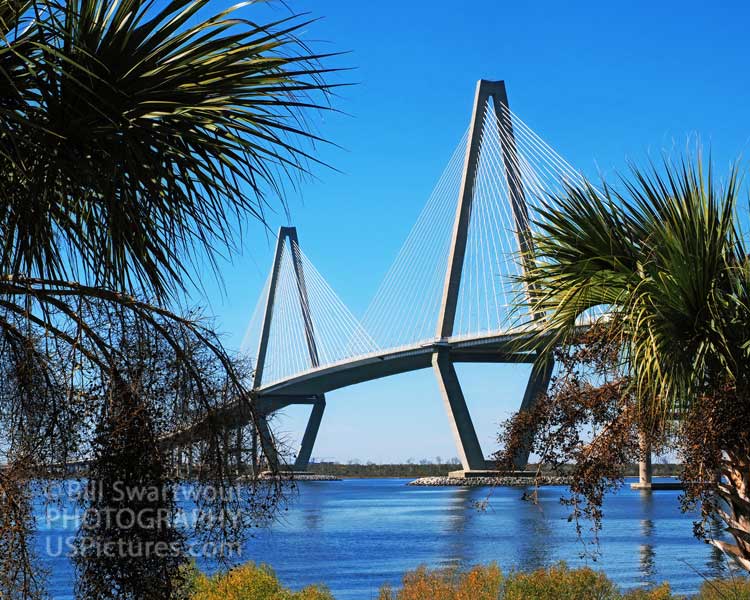
Arthur Ravenel Jr. Bridge, Charleston, SC
An architectural wonder, the Arthur Ravenel, Jr. Bridge crosses the Cooper River at Charleston, South Carolina.

At a total length of 13,200 feet this is the third longest cable-stayed bridge in the western hemisphere with a main span of 1,546 feet and a clearance of 187 feet. In 2006, it won an Outstanding Civil Engineering Achievement award from ASCE for its innovative design and materials. The bridge has eight lanes for vehicular travel and two bicycle/pedestrian lanes so you can see it up close!
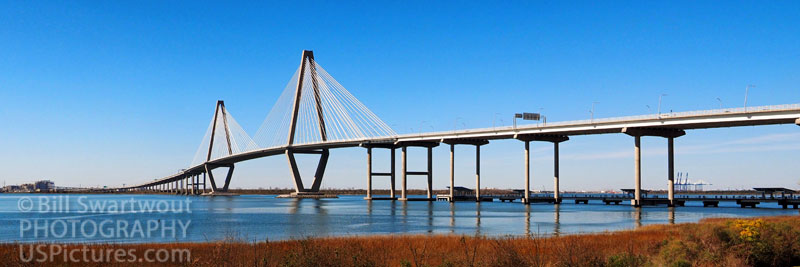
Arthur Ravenel Jr. Bridge Panorama Format
Arthur Ravenel Jr. Bridge Panorama Format 3:1

An infrastructure wonder, it is the third longest cable-stayed bridge in the western hemisphere and offers panoramic views that are especially striking at sunset.
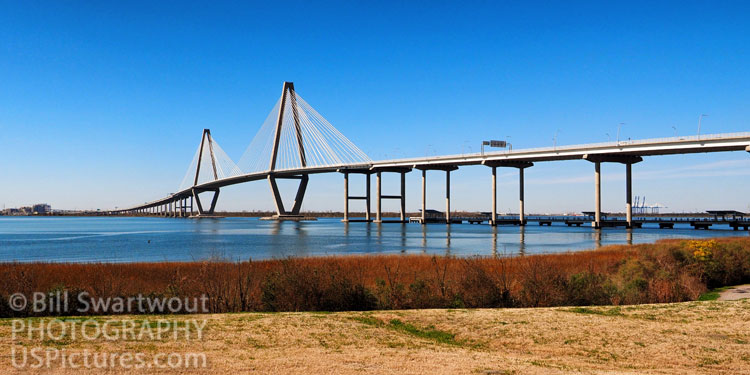
Arthur Ravenel Jr. Bridge Panorama Format 2
Arthur Ravenel Jr. Bridge Panorama Format 2:1


The Arthur Ravenel, Jr. Bridge (sometimes referred to as the New Cooper River Bridge) is a cable-stayed bridge over the Cooper River in South Carolina. Opened to traffic nearly two decades ago, the 1,546 foot long bridge carries eight travel lanes and two wide outside shoulders. It is held aloft by two 600-foot concrete pylons that support a 650-foot center span and a pair of 350-foot side spans. Total length of the bridge is 13,200 feet or 2.5 miles. With its main span rising only 187 feet above mean high water, the bridge carries Interstate 526 across Charleston Harbor from Patriots Point to U.S. Highway 17 at Mount Pleasant.


The Arthur Ravenel Jr. Bridge is a cable-stayed bridge over the Cooper River in South Carolina, connecting Charleston to Mount Pleasant. It replaced two obsolete cantilever truss bridges. Its eight lanes carry U.S. Highway 17, U.S. Highway 52, and South Carolina Highway 7 as it crosses the river, with a dedicated bicycle and pedestrian lane along the northern side of the bridge.


Imagine if a bridge could talk: “I am the Arthur Ravenel Jr. Bridge in South Carolina, named after a politician who served as state senator and member of the United States House of Representatives. I am a cable-stayed bridge that crosses the Cooper River at Charleston, South Carolina. I opened on July 16, 2005, and was built to replace two aging bridges: one which carried U.S. Route 17 over the Cooper River and another which carried U.S. Route 17 over the Wando River. I connect Charleston to Mount Pleasant, South Carolina.

Link: Arthur Ravenel Jr. Bridge in the Palms (free shipping)

Link: Arthur Ravenel Jr. Bridge Panorama Format 3:1 (free shipping)

Link: Arthur Ravenel Jr. Bridge Panorama Format 2:1 (free shipping)

Link to: Bill’s Pictorem Gallery

Link to: Bill’s FineArtAmerica/Pixels Gallery
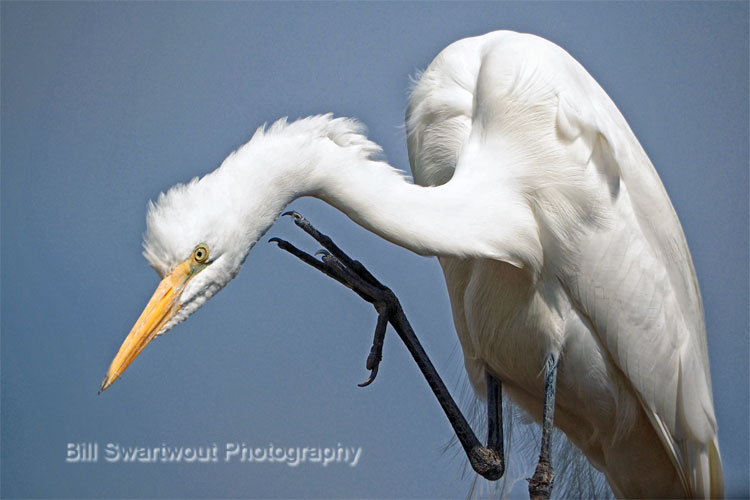
Great Egret Scratching an Itch

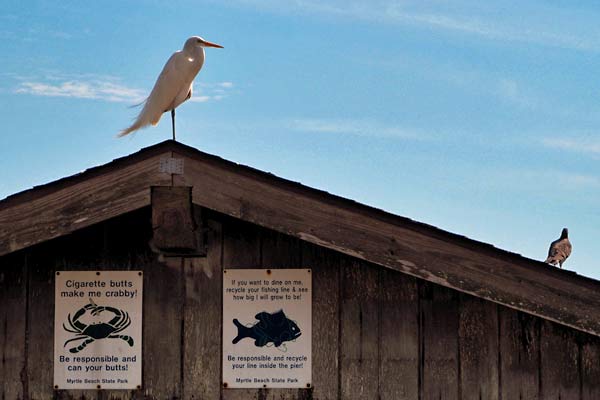
This Egret fishes from the Fishing Pier at Myrtle Beach State Park

I met Randy, the Great Egret (Ardea alba) , at Myrtle Beach State Park on a recent road trip. He was standing on top of the shelter on the fishing pier and, evidently, had a great itch. The beautiful white plumage and the regal posture of this fascinating bird makes him really stand out in a crowd, so to speak. One cannot help but notice him as he struts around acting so sure of himself.

gret egret scratching an itch
Randy, the Great Egret at Myrtle Beach State Park, appears to be scratching an itch.

No, I did not name him. A couple of fishermen on the pier told me he hangs around so much they all call him Randy. He keeps an eye on the fishing lines and is quick to react whenever a fish spits out a hook and tries to swim away. Seems like easy picking to me – smart bird.

great egret on roof on fishing pier
Randy, the Great Egret, keeps an eye on things from his perch atop the shelter on the fishing pier.

Here’s a picture of Randy, the Great Egret, in an advantageous location on top of the pavilion on the pier. From this vantage point he can keep an eye on everyone and every thing. He seems to trust the fishermen on the pier more that he does the fact that a fish might throw a hook and get away. Randy tries to make sure that nothing “tasty” gets away.

The great egret is also known as the common egret or large egret. It is a wading bird found in both tropical and temperate regions. The great egret is long-legged and long-necked, with a long, thin bill. They are mostly white in color with black tips on their primary feathers. This makes them look almost as if they have been dipped in paint.

The great egrets has been known to live up to 20 years in captivity and up to 30 years in the wild. They feed mostly on fish, frogs, snakes and insects but will also eat reptiles, birds’ eggs and small mammals when needed. Their hunting style is very similar to that of an osprey or an eagle which means they will sit patiently waiting for prey to approach before striking quickly with their long sharp bill which can be up to two feet long!

Great Egrets are monogamous birds meaning they mate for life which usually lasts about 5 years before one dies off leaving behind one chick who will then be cared for by both parents until it reaches maturity at 2 years old when it can fly off into the sunset on its own

While this particular bird was photographed on the fishing pier at Myrtle Beach State Park in South Carolina, this just as easily might be see at any of several fishing piers along the east coast. There are many “Ralphs” just looking for an easy meal. The great egret is also known as the common egret, large egret, or great white egret or even the great white heron.

Photographs of this Great Egret are available at my online stores on a variety of substrates and also on home decor items. Use the links below to shop.

Link to: Egret Scratching an Itch at Bill’s FineArtAmerica/Pixels Store.

Link to: Bill’s Full Fine Art America/Pixels Gallery
The great white egret is a magnificent bird, with a wingspan that can reach up to seven feet. Its bill is long, thin and black at the tip. It is used for catching fish and insects in shallow water or wetlands. The great white egret has dark legs that are set far back on its body. It has a long neck and head with a large yellow bill.

This bird can be found in North America, Central America and South America as well as Eurasia and Africa. They tend to live near water where they build their nests which are made from sticks or reeds and lined with mud or grasses. A pair of great white egrets may mate for life; however, if one dies then another mate will usually be found soon after this happens during breeding season (March – June). They lay three eggs which hatch after about twenty days depending on temperature levels outside at this time of year (spring). The chicks will fledge after sixty days but continue feeding until about eighty days old when they become independent from their parents once again!


Lover’s Oak in Brunswick, Georgia

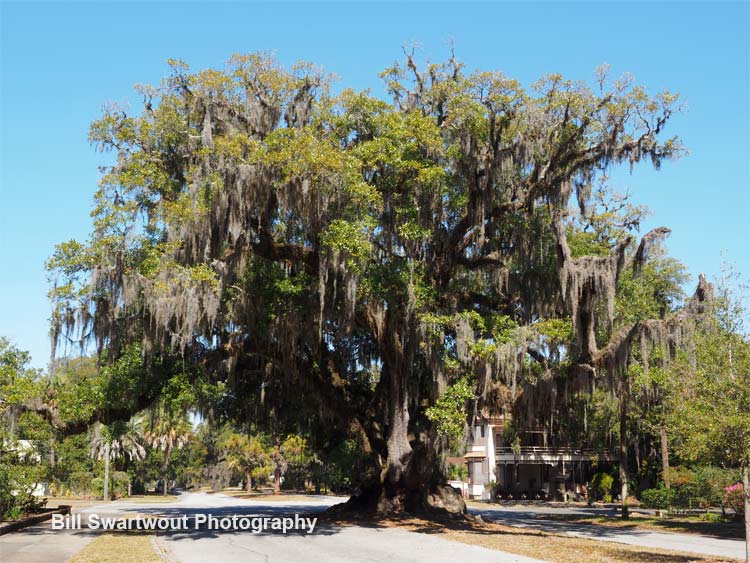
This 900+ year old Southern Live Oak (Quercus virginiana) is a magnificent sight.

When you think of the South, what comes to mind? Is it the sun-drenched fields of cotton and corn? The beautiful live oak trees dripping with Spanish Moss that line the streets and give shade to our homes? Or maybe it’s the charming old homes that fill the towns, or the friendly people who call these places home.

Lover's Oak Tree
The Lover’s Oak Tree in Brunswick, Georgia

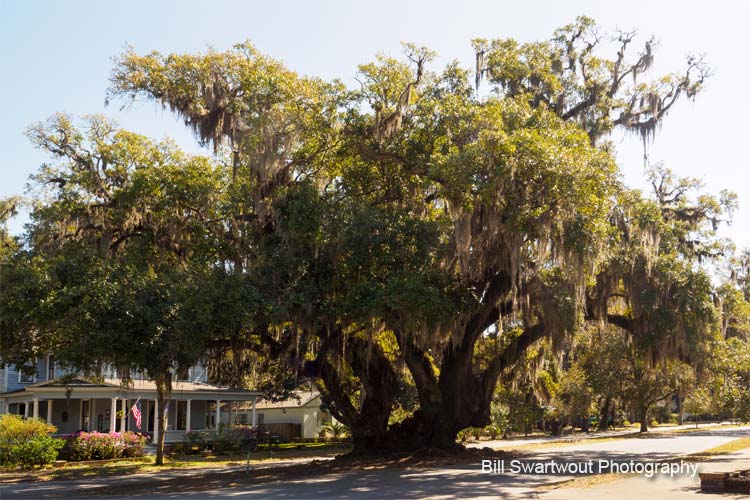
The famous Lover’s Oak Tree in Brunswick, GA rivals the famous Angel Oak on John’s Island near Charleston, South Carolina in size, age and intricate beauty. This wonderous example of a Southern Live Oak is located in the Old Town Historic District of Brunswick, GA at the intersection of Albany and Prince Streets.

The name of “Lover’s Oak” is derived from a local historic legend**. Evidently, Native American braves met with their maidens under the majestic limbs of this enormous tree.

lover's oak in brunswick georgia
Southern Live Oak (Quercus virginiana), the Lover’s Oak in the Historic District of Brunswick, GA.

The Southern Live Oak is known for growing outward as much as growing upward. Often the breadth, or width, of the tree is a good bit greater than the height.

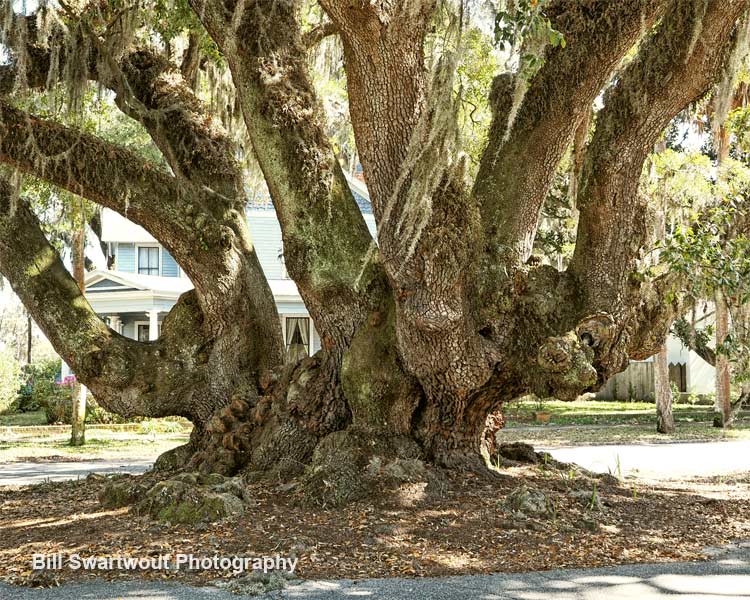
The Lover’s Oak in Brunswick, Georgia is estimated to have been here long before this country was “discovered” by the Old World explorers (dare we mention the name Christopher Columbus?). The trunk has a diameter of 13 feet and that branches into 10 limbs, each being between 12 and 30 inches in diameter.

lovers oak tree trunk
Lover’s Oak Tree Trunk and Limbs
lovers oak informational plaque
Informational Plaque at the Lover’s Oak

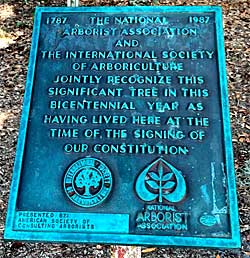
An informational plaque at the Lover’s Oak reads: “The National Arborist Association and The International Society of Arboriculture jointly recognize this significant tree in this bicentennial year as having lived here at the time of the signing of our constitution.”

** Another legend has it that this tree is where two young lovers were caught kissing by their parents and cast out into the cold. The couple was so distraught by their separation that they committed suicide by hanging themselves from the branches of this very tree. It is said that if you stand beneath its branches at midnight on any Friday night, you’ll hear the cries of their spirits as they search for one another.

Use the links below to see more of these images and how they look on different wall art substrates. There are prints, framed prints, canvas presentations, acrylic and more.

Link: Lover’s Oak Tree in Brunswick, GA

Link: Lover’s Oak in Brunswick, Georgia

Link: Lover’s Oak Tree Trunk and Limbs

Link to: Bill’s full Pictorem Gallery

Link to: Bill’s full Fine Art American Gallery

New England Fall Foliage

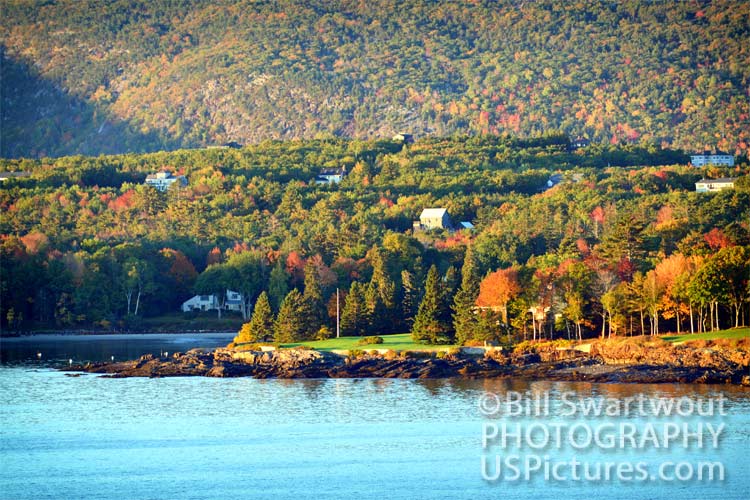
The Coast of Bar Harbor, Maine Is Ablaze in Colorful Splendor

Autumn is an awe-inspiring time of year in New England, an area in the northeastern United States. While each region in the six state area experiences this colorful shift, Maine and Vermont are said to boast the most beautiful and respected foliage in the world. Enjoy New England fall foliage via the medium of photography.

Leaf Peeping in Bar Harbor New England Fall Foliage
New England Foliage is ablaze in a yellow, red and orange palette provided by Mother Nature.

Visiting New England in the fall is wonderful! The weather is cool, but sunny, and the brisk air just invigorates you. There really is nothing like the coast of Maine in October when it comes to vibrant color everywhere, and a favorite stretch of coast on which to experience this phenomenon has got to be Bar Harbor and environs.

Fall foliage along the coast of Bar Harbor, Maine, is awash in palette of color as far as the eye can see. Bar Harbor’s park like setting and brilliant fall foliage make it one of the most attractive and interesting places to visit during New England’s autumn season, or any season. Thanks to Mother Nature all this beauty is free for everyone to enjoy.

New England Fall Foliage Bar Harbor, ME
Fall is a great time for a visit to New England. Cool weather and beautiful fall foliage, create glorious colorful scenes like this one from Bar Harbor, Maine.

Tourists from all over the United States, as well as from faraway foreign lands, come to see the spectacular fall foliage coloring. We viewed scenes such as the one above while on a cruise on the www.RoyalCaribbean.com ship, Grandeur of the Seas. Many are photographers who capture the scene with their cameras – but few can capture Mother Nature’s glory like friend, colleague and New England native, Jeff Folger (AKA Jeff Foliage) and his wonderful New England Fall Foliage photography. I find his “New England From Above” collection to be beautiful and utterly fascinating.

The links below will take you to larger images and the variety of substrates available as wall art.

Link: Bar Harbor Maine Fall Foliage

Link: Bar Harbor Fall Foliage

Link to: Bill’s full Gallery at Pictorem

Link to: Jeff Folger’s New England Foliage at Pictorem

Soak in the crisp fresh fall air with breathtaking wall art photographs of New England fall foliage. Bar Harbor, Maine is one of America’s cherished destinations and photographic wall decor brings a spot of the ocean, mountains and foliage right into your home or office to be enjoyed all year long. Yes, leaf-peeping can exist in your home during every season.

Waccamaw Coast Line Railroad Tracks & Ties

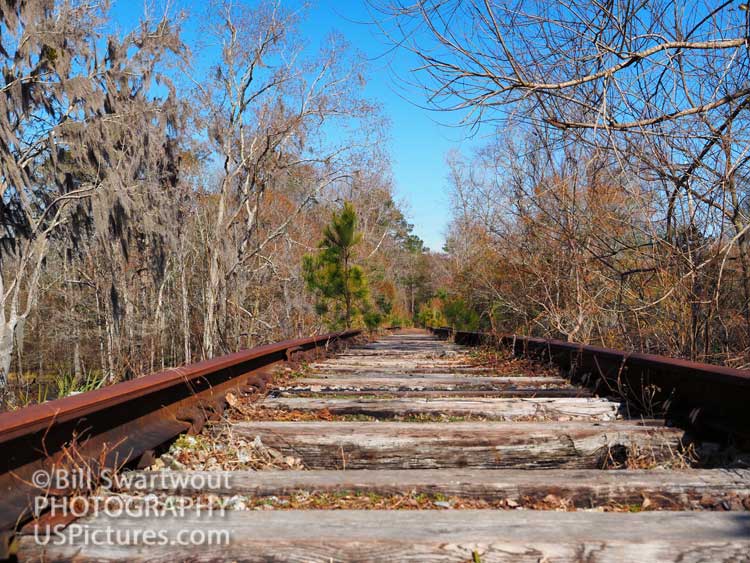
The the remaining tracks of an abandoned railroad make for interesting scenery.

The Waccamaw Coast Line Railroad use to carry passengers and freight from Conway to Myrtle Beach. The line has been abandoned since the 1990’s but the remaining tracks make for interesting scenery. The old railroad bridge cannot be seen in this particular view but it’s out there. You can visit this scene while walking the Riverwalk along the Waccamaw River as it flows through Conway, South Carolina.

Waccamaw Coast Line Railroad Abandoned Tracks

The next time I am in Conway, I plan to hike along this old railbed to cross the river and photograph the old swing-bridge. The photograph below is in black and white which helps bring out the texture of the decaying railroad ties and the overgrowth of trees and brush that is reclaiming this thoroughfare – taking it back to nature.

Waccamaw Coast Line Railroad Abandoned Tracks Monochrome
Waccamaw Coast Line Railroad Abandoned Tracks in Black and White

Use the links below to see more of these images and how they look on different wall art substrates. There are prints, framed prints, canvas presentations, acrylic and more.

Link: Waccamaw Coast Line Railroad Abandoned Tracks

Link: Waccamaw Coast Line Railroad Abandoned Tracks Monochrome

Link to: Bill’s full Pictorem Gallery

Link to: Bill’s full Fine Art American Gallery

Little information remains about the Waccamaw CoastLine Railroad. I could find only bits and pieces of information and one mention of abandoned trackage. The Atlantic Coast Line served this line when it was first constructed by the Waccamaw, Conway & Aynor Railway between 1916 and late 1919 to serve lumber and naval stores traffic. It was then acquired by the ACL in December 1919 and became an extension of the Myrtle Beach Branch. The line survived as a freight only branch until the early 1980’s when passenger service was briefly revived with various excursion trains operated by Inland Rail Tours. At some point the name was changed to Waccamaw Coast Line – probably around 1987 but service continued for only a short time and was discontinued in the early 1990’s.

Overall, the WCL RR was an obscure experiment in intrastate railroading that didn’t last all that long. But at least it had a good run while it lasted, even if only a handful of people were aware of its existence and, that, is what may have been what caused its demise.

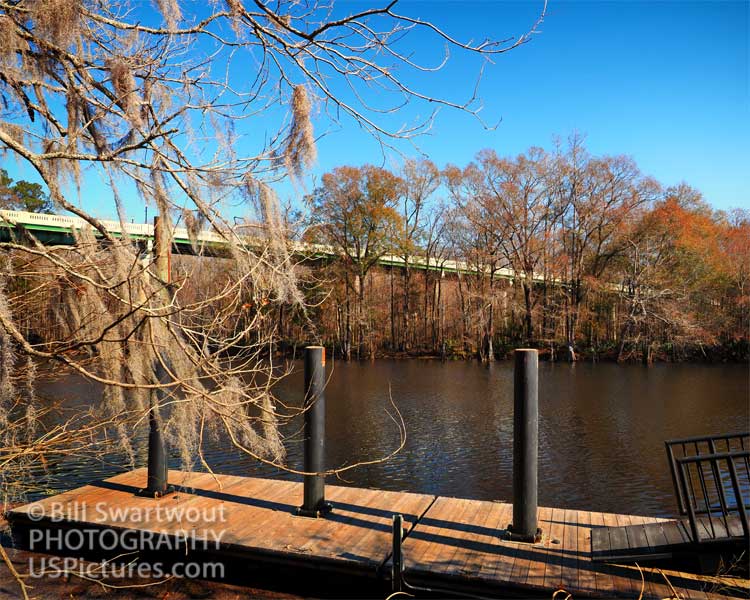
Waccamaw River at Conway South Carolina

An idyllic river scene like this can be found along the Riverwalk at Conway.

The Waccamaw River begins its 140 mile trek toward the sea from Lake Waccamaw in North Carolina to Winyah Bay, an estuary that connects with the Atlantic Ocean near Georgetown, South Carolina. About half way along its journey it flows through Horry County and the City of Conway, SC where this photograph was taken. The river is wide and deep enough to be navigable and was once a watery thoroughfare for steamboats.

Waccamaw River in Conley South Carolina

Factoid: The first steamboat to ply the waters of the Waccamaw River was a Confederate troop ship, the Francis Marion.

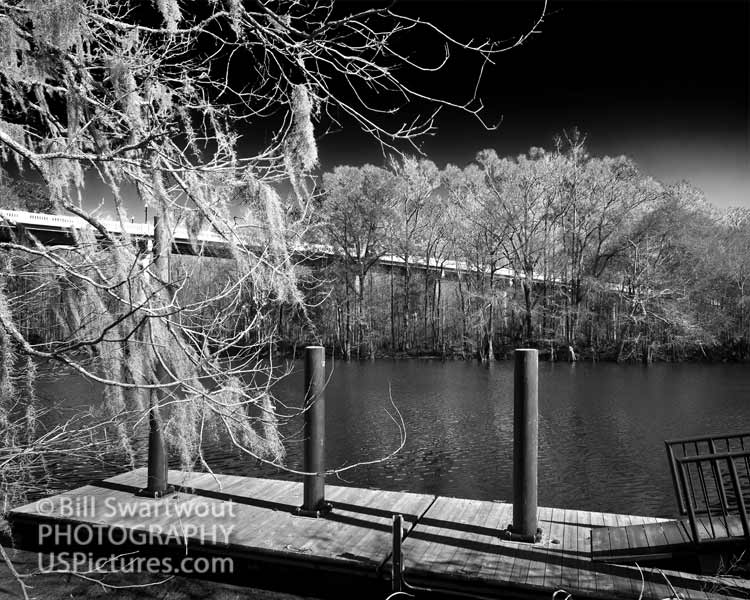
Black and White waterscape scenes are often quite striking as wall art in the right home decor setting. What do you think – do you like this Black and White presentation?) Please leave a comment below.)

Waccamaw River in Conley South Carolina in Black and White

Yadda

Use the links below to see these images as wall art on a variety of substrates, one of which may just attract your interest.

Link: Waccamaw River in Conway South Carolina

Link: Waccamaw River at Conway in Black and White

Link to: Bill’s full Pictorem Gallery

Link to: Bills Fine Art America Gallery

The Waccamaw, along with the Great Pee Dee, Little Pee Dee and Little Rivers, all served as important transportation routes for Horry County, South Carolina. For Native Americans and early settlers alike, the rivers of this geographic area were essentially the Interstate Highways of today. This area was fortunate to have a navigable river system because it provided Horry County, Conway and environs easy access to the world beyond.

The era of steamboats on the Waccamaw faded about 1920 or so. However the river remains a vibrant natural resource part of the environment and maintains its beauty for people today to enjoy visually and recreationally. You can see vistas like this when strolling along the famous Riverwalk along the riverside in Conway.

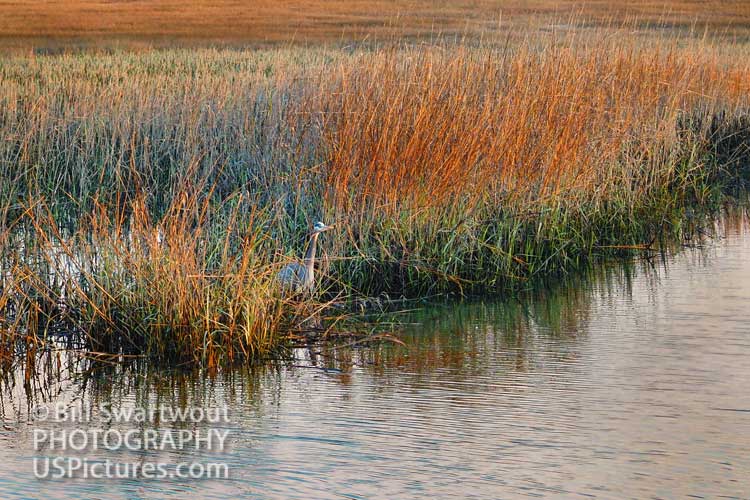
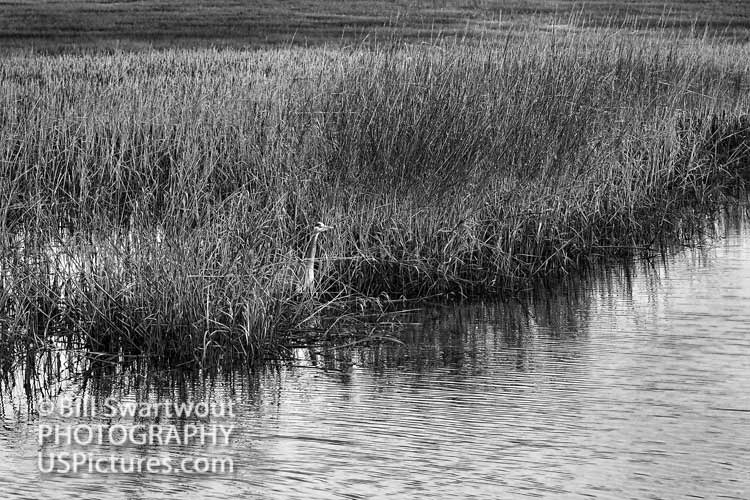
Lurking in the Marsh at Murrells Inlet South Carolina

A Great Blue Heron hides among the marsh grasses fishing for a meal.

Fishing is a way of life in Murrells Inlet, and not just for those make their living at it. Fishing, both within the creek and in the ocean is a part of the history, a bond with the place and even among the inhabitants – both the humans and the lesser beasts and critters.

Marsh Grasses and a Great Blue Heron at Murrells Inlet in South Carolina

As the fishing depends on the fish, so the fish depend on the marsh and the entire ecosystem. This symbiotic relationship gives rise to some beautiful and unique scenery – that often looks as good in black and white as it does in full color.

Lurking in the March at Murrells Inlet
Lurking in the March at Murrells Inlet in Black and White

From the time of its formation about 6,000 years ago, the Murrells
Inlet saltmarsh has been a source of food for local inhabitants. Native
Americans depended on the marsh for the seasonal provision of clams,
oysters, and fish, a tradition which persisted through colonial and
plantation times, and continues today. In the 20th century, recreational
and commercial fishing broadened and increased local dependence
upon the marsh.

Click the links below to see the wall art substrates available for these photographs.

Link: Lurking in the Marsh at Murrells Inlet SC

Link: Lurking in the Marsh at Murrells Inlet Monochrome

Link to: Bill’s full Gallery at Pictorem

Link to: Bill’s Gallery hosted by Fine Art America

Saltmarshes like Murrells Inlet provide a rich and sheltered habitat for
fish, from baitfish like Mummichog and striped mullet on up to gamefish of the nearshore ocean, such as grouper. (Just naming two of many examples here.) This is because of the abundance and variety of food available within the marsh, and the relative absence of large predators (that Blue Heron notwithstanding). Scientists have found that more than 75 percent of nearshore ocean fish use the marsh at some stage of their life-cycle, for spawning, for juvenile growth and/or for a seasonal food source.

From an environmental standpoint, maintaining a healthy marsh is essential
to maintaining a healthy ocean fishery. The long view values not only the fish, but the marsh that made the fish and, of course our friend, that long-legged fishing bird, lurking in the marsh.

Waccamaw River Memorial Bridge

This historic Bridge in Conway, South Carolina carries travelers across the Waccamaw River.

Built in 1937, the Waccamaw Memorial Bridge (also referred to as the Conway Memorial Bridge) is a historic plate-girder bridge in Conway, Horry County, South Carolina. This plate deck girder bridge, with Gothic-style arches is designated a memorial to Horry County soldiers who served in America’s wars from the Revolution to World War I. This bridge was built to relieve the traffic congestion of the original one-lane bridge as popularity grew for the Grand Strand resort of Myrtle Beach. It was listed under National Register of Historic Places on October 12, 1999.

Conway Memorial Bridge over the Waccamaw River in Conway, Horry County, South Carolina.

This photograph was taken while enjoying a walk along part of the Conway Riverwalk. The Riverwalk is a sculpted boardwalk with railings along much of the town’s waterfront on the Waccamaw River. If you, one day, get to visit Conway, be sure not to miss a stroll along the river. 

Conceived a the height of the Great Depression and at a cost of $370,000, Horry County’s fifth bridge across the Waccamaw River was constructed just prior to the years of World War II. The Waccamaw River Bridge carries Business Route U.S. Highway 501  over top of the Waccamaw River connecting North Conway to Aynor/Yauhannah, South Carolina.

Waccamau River Memorial Bridge in Black and White
The Waccamaw River Memorial Bridge in a Black and White Presentation

Click the photo above or the links below to see wall art with this image along with an assortment of home decor items. 

Link: Waccamaw River Memorial Bridge at Conway, SC

Link: Waccamaw River Memorial Bridge at Conway in Black and White

Link to: Bills Full Gallery at Pictorem (Free Shipping)

Link to: Bill’s Gallery with Fine Art America

What’s that, Myrtle Beach? You’ve been under stress from the lack of a second bridge crossing the Waccamaw River for half a century? Well, we’ve got just the thing to lift your spirits: The Waccamaw River Memorial Bridge! This historic bridge is located in Conway, South Carolina, and carries travelers over the Waccamaw River. It was built in 1937 as a replacement for the original bridge (built in 1921), which could not accommodate all of the travelers to and from Grand Strand resorts. The new bridge was designed as a plate deck girder bridge in a Gothic-style arch with reinforced concrete piers, abutments and wing walls. In 1998, the State of South Carolina designated the bridge as a memorial to Horry County soldiers who served in America’s wars from the Revolution to World War I. This made it one of two bridges in South Carolina with such designation (the other is located near Kingstree). The bridge spans 1,024 feet (312 m) across the river, including approach spans. It measures 16 feet (4.9 m) wide and 8 feet (2.4 m) high.

Food as Art – and Nourishment

Some food looks better than it tastes.

Some food tastes better than it looks. Some may look interesting and taste interesting, too.

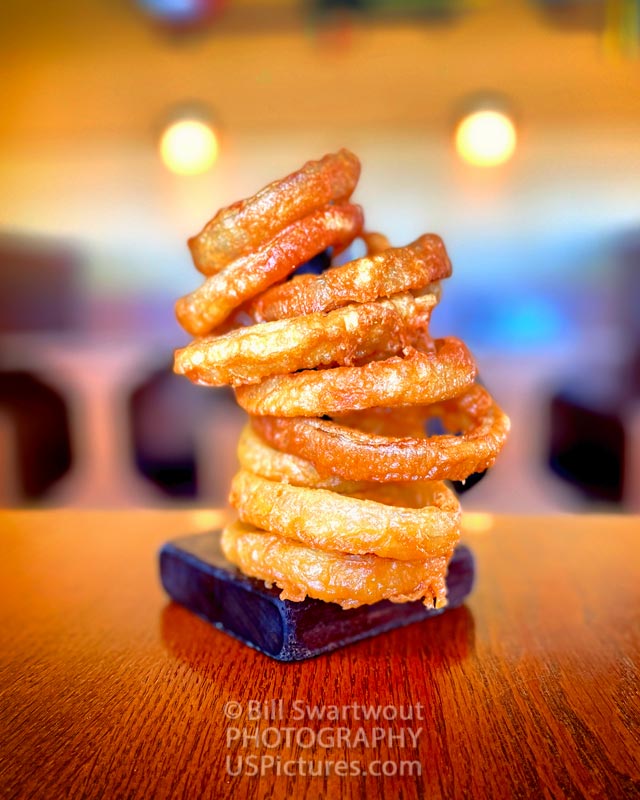
Here’s a stack of Onion Rings from a restaurant in St. Joseph, Michigan named Clementine’s (yup, you guessed it, OhMyDarling.com). This tower of Michigan Onion (bet you didn’t know Michigan is a major onion-producing state) onion rings was about the best we’ve had – anywhere – ever. Artistically, the tower also has merit and would look great in a vertical wall art presentation in one’s kitchen or casual dining area.

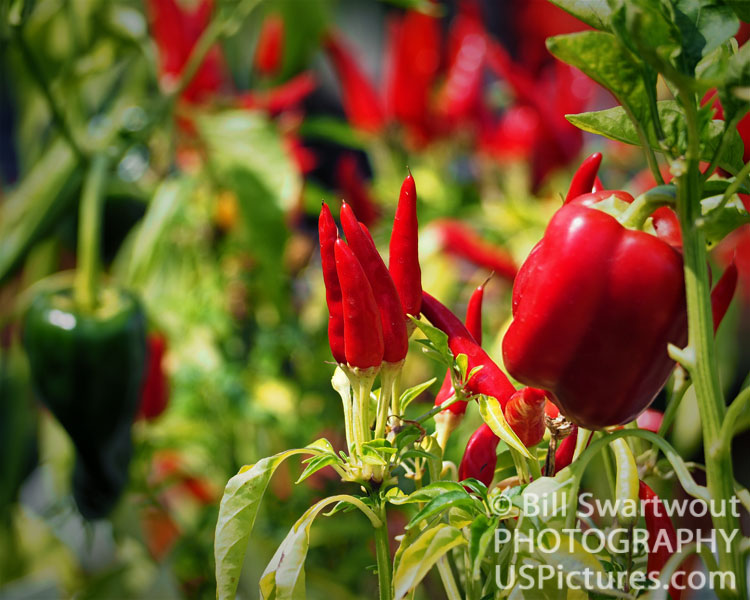
How about some red hot chili peppers to spice up that blank wall in your kitchen? Hot peppers are all the rage these days – just look at the gazillion jars of hot sauces available at any gourmet market. These peppers, in blazing bright red, photographed at a farm market in Delaware, are the epitome of chili peppers and would certainly brighten up any place you decided to display them as wall art. Or what do you think about these depicted on coffee mugs or maybe even hot chili pepper throw pillows.

Red Hot Chili Peppers from a farm store in Rehoboth Beach, DE.

Then there is always popcorn. Right? How about this as a design element in itself. Everybody likes popcorn and this display of Carmel Popcorn, while photographed at Broadway at the Beach in Myrtle Beach, South Carolina, might be found in just about any beach town – anywhere. Can you imagine how challenging this would be as a jigsaw puzzle. Absolutely and, yes, this is available as a quality jigsaw.

Caramel Popcorn on display at Broadway at the Beach in Myrtle Beach, SC

Click the links below to see a bit more about each image and/or to browse/shop for wall art (for you kitchen, perhaps) or for a home decor item as a conversation piece.

Link: Best Onion Rings Ever

Link: Red Hot Chili Peppers

Link: Caramel Corn Behind Glass

Link to: Bill’s Food As Art Collection at Fine Art America – where you can see many other examples of “Food as Art” that may get your creative juices flowing.

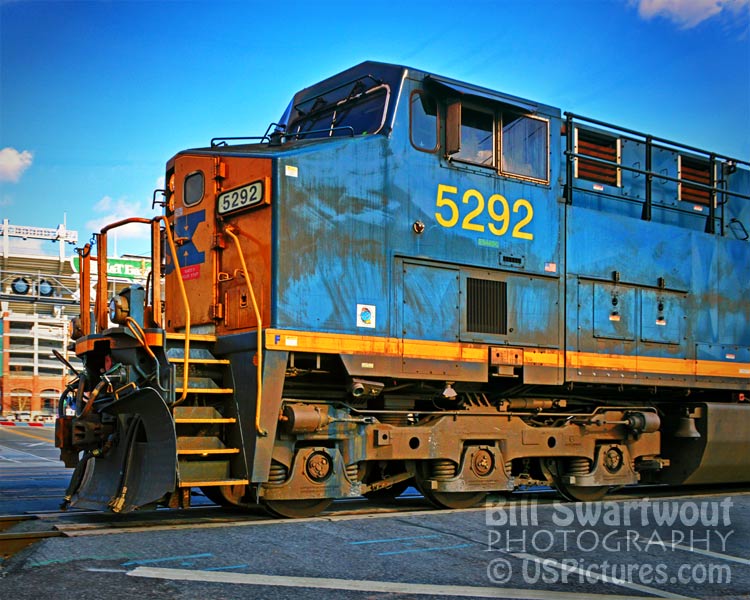
CSX Locomotive 5292 in Baltimore

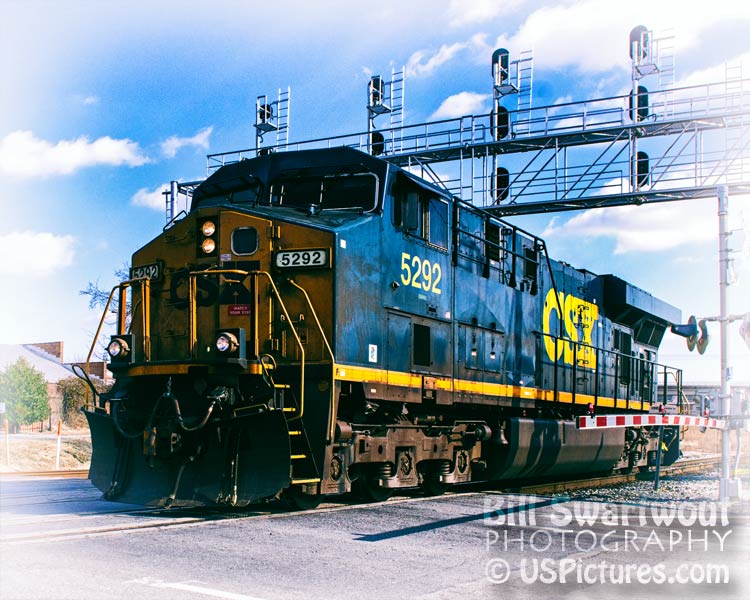
Engine 5292 is seen crossing Warner Street by the Ravens’ Football Stadium.

Photographing near the Warner Street crossing in South Baltimore I caught this CSX 5292 General Electric Evolution Series Locomotive deadheading from the rail yard to who-knows-where. This section of track is the only entrance and egress to the Locust Point terminal and the Riverside Yard of the railroad division of the CSX Corporation in South Baltimore, Maryland. It is a safe place to watch and photograph passing trains and equipment.

CSX Engine 5292 at Warner Street Crossing
CSX Engine 5292 at the Warner Street Crossing Railroad Signal Bridge in South Baltimore

Warner Street is just south of the M&T Bank Stadium, home to Raven’s Football. In the rail photograph below you can actually see how close the stadium is to this railroad/street crossing. This “environmentally friendly” engine produces about 4,000 horsepower is one of the most efficient locomotives on rails today. 

CSX Locomotive 5292 at Raven's Stadium
CSX Engine 5292 with Ravens’ Football M&T Bank Stadium in the background

So what is the “CSX” in the name depict? In 1980 the Chessie System merged with the Seaboard Coast Line and formed the CSX Corporation. Word has it that the “X” is the “multiplier” math symbol and gives the merged companies a multiple of size, strength and service.

Click the links to see more detail and and to shop for wall art and/or a variety of home decor items imprinted with these photographs.

Link: CSX 5292 Warner Street Crossing

Link: CSX 5292 Locomotive in Baltimore

Link to: Bill’s Trains and Railroads Collection at Fine Art America

Link to: Bills Pictorem Gallery (w/ Free Shipping)

Observe above, in wide-angle, the beauty of a CSX Locomotive 5292 General Electric Evolution Series. Engine 5292 is seen crossing Warner Street by the Ravens’ Football Stadium in South Baltimore, Maryland. This photograph is one way to bring back vivid memories of Baltimore’s past and present.