Wild horses of Assateague Island National Seashore simply walk along any road they choose…
A brown and white wild horse from Assateague Island struts along the side of the road, looking as nonchalant as a celebrity on a red carpet. Captured through the car window, she seems to be weighing her options — maybe she’s thinking about hitching a ride or simply flaunting her fabulous mane.
No Assateague Pony hitchhikers, please.
This is no ordinary road; it’s on the iconic Assateague Island National Seashore in Maryland, where wild horses roam free and RVs park like they own the place. The backdrop is a delightful mess of green shrubs that seem to whisper secrets to one another while keeping an eye on our equine friend.
As campers sip their coffee and take selfies, our horse is clearly the star of the show, basking under a clear blue sky. She might even be contemplating becoming an Instagram influencer — #HorseGoals anyone?
In this bright and natural setting, wildlife and human activity coexist in perfect harmony — or at least until someone tries to feed her a hot dog!
Be sure to visit Bill’s Assateague Island Photography Collection: CLICK HERE.
Some people say the best camera is the one you have with you.
In most cases, that means your trusty cell phone, which is probably nestled in your pocket or tangled up in your purse with a couple of old receipts and a half-eaten granola bar.
Ansel Adams once said, “There are two people in every picture: the photographer and the viewer.” He conveniently left out the third element—the technology, which, let’s face it, is often the least important part of this trio.
Coastal Delaware with Burton Island and the Indian River Inlet Bridge – between Dewey Beach and Bethany Beach
Now, there’s a world of difference between those random “snapshots” you take of your cat looking like a loaf of bread and the artful photographs captured by someone who knows what they’re doing. It’s not about having a bazooka-sized camera; it’s about having the eye of an eagle and the instincts of a ninja.
Armed with a 12-megapixel smartphone, a savvy photographer can create images so stunning they’d make even Mona Lisa crack a smile. Who needs a fancy camera when you can print a photo the size of a small elephant and still have it look like art? So next time you’re tempted to blame your phone for your lackluster photos, remember—it’s not the size of the camera, it’s how you use it!
Of course, that photograph is available for you. CLICK HERE
A tragic ship collision caused the Key Bridge to collapse like a house of cards on March 26, 2024.
In the wee hours of a cold March morning, a large freighter, the Dali, lost power and steerage control and collided with a major support of the Francis Scott Key Bridge in Baltimore, Maryland. The collision occurred at 1:28 AM and caused the main supporting structure to fail and the bridge spans to, literally, fall apart.
Imagine the chaos that ensued when a massive freighter collided with the Francis Scott Key Bridge, causing sections to collapse into the Patapsco River below. The sheer force of impact from the container ship left onlookers stunned and authorities scrambling to respond to this unprecedented disaster. As emergency crews rushed to the scene, questions arose about how such a catastrophe could have occurred in one of the busiest waterways in Maryland. This disaster effectively closed the (very busy) Port of Baltimore for an indeterminant length of time.
Francis Scott Key Bridge as seen from the sea wall at Fort McHenry in 2017, 40 years after it opened.
The Key Bridge was opened for use in 1977. This author can remember watching the construction process for the years before the opening. The full name is, of course, derived from the lawyer, Francis Scott Key, who penned the words to our National Anthem, the Star Spangled Banner.
FSK Bridge as seen from Fort McHenry, about four miles to the west.
In conclusion
The collapse of the Francis Scott Key Bridge in Baltimore sent shockwaves through the city as the iconic structure crumbled into the Patapsco River. The aftermath of the bridge collapse revealed a startling vulnerability in our infrastructure and raised concerns about the safety of maritime navigation through this vital transportation corridor at the state and national levels. Investigations underway and repair efforts are already being planned. One can’t help but wonder about the long-term implications of this incident on shipping traffic and regional economy. As we await updates on this developing story, it’s clear that lessons must be learned from this tragic event to prevent similar disasters in the future.
Francis Scott Key Bridge the day after the collapse – Photo by Arthur Swartwout.
For many, this catastrophic event raised questions about infrastructure resilience and safety in a rapidly changing world. In moments like these, we are reminded that even our most trusted landmarks are vulnerable to unexpected challenges and that vigilance and care must be paramount in safeguarding our communities from potential disaster.
Francis Scott Key Bridge from the Rodman Cannons at Fort McHenry
Visit www.FSKBridge.com for more photos of the Key Bridge as it used to be.
Beachcombing for the Imperial Venus Clam Shell in South Carolina
Pawleys Island and its seashell collection
Pawleys Island is renowned for its exquisite seashell collection, and among the most coveted treasures is the Imperial Venus Clam Shell, AKA the Pawley’s Island Shell. Known for its distinct ridges and delicate pink hue, this shell has captured the imagination of beachcombers and collectors alike. Each shell tells a unique story of its journey through the tides, bearing witness to the ebb and flow of the ocean’s timeless dance.
The surface of this shell looks like it has been contour-plowed, with deep furrows between its 5-8 broad, concentric ribs.
Beyond their stunning beauty, these seashells also serve as crucial components of their local ecosystem. They provide homes for tiny sea creatures and contribute to the overall ecological balance of Pawleys Island’s shores. As visitors stroll along the pristine beaches, they are invited to marvel at these tiny natural wonders while gaining a deeper appreciation for the fragility and resilience of marine life.
From casual beachcombers to seasoned shell enthusiasts, Pawleys Island offers a unique opportunity to connect with nature through its awe-inspiring seashell collection. These shells not only serve as beautiful mementos but also hold a profound significance in preserving our planet’s delicate coastal ecosystems. With each discovery on this serene shore, visitors are reminded of nature’s boundless marvels and inspired to protect them for generations to come.
Keep in mind that the Pawley’s Island Shell and the Imperial Venus Clam are one in the same. Here is an interesting and comprehensive narrative about Pawley’s Island Shells: The Legend of the Pawley’s Island Shell.
History of the Imperial Venus Clam Shell
The history of the Imperial Venus Clam Shell is as fascinating as the shell itself. Dating back to ancient civilizations, these beautiful shells were often used as currency, decorative ornaments, and even religious symbols. In Roman times, they were associated with the goddess Venus, who was believed to have emerged from a giant clam shell. This association elevated the status of the Imperial Venus Clam Shell and made it a sought-after item among nobility and the upper class.
In more recent history, these exquisite shells have been treasured for their iridescent beauty and delicate patterns. They have been used in traditional crafts, jewelry making, and as decorative accents in homes around the world. The enduring allure of the Imperial Venus Clam/Pawley’s Island Shell speaks to its timeless appeal and its ability to transcend centuries of cultural changes. Whether displayed in a museum or adorning a piece of jewelry, each shell tells a story that spans generations and continents.
Characteristics of the Imperial Venus Clam Shell
The Imperial Venus clam shell, commonly found along the shores of Pawleys Island, is a marvel of nature with its distinctive characteristics. This unique shell features a smooth, glossy exterior with delicate ridges and concentric patterns that create an enchanting visual display. Its symmetrical shape and striking color variations ranging from deep purples to pearly whites make it a coveted find for both collectors and beachcombers alike.
One of the most fascinating aspects of the Imperial Venus clam shell is its resilience and adaptability to different environments. Despite facing various challenges in its habitat, this remarkable species has evolved to thrive in changing conditions, showcasing its ability to endure and flourish. Furthermore, the intricate growth lines on the shell provide evidence of the clam’s journey through life, offering glimpses into its age and experiences. These shells serve as enduring reminders of nature’s artistry and perseverance, captivating all who come across them along the sandy shores of Pawleys Island.
Where to find the Imperial Venus Clam Shell
The Imperial Venus Clam Shell, known for its exquisite beauty and rarity, can be found in the pristine beaches of Pawleys Island, South Carolina. These (very) elusive shells are often discovered at low tide, nestled among the sandy shores or hidden beneath the crystal-clear waters. The search for these extraordinary treasures requires patience and a keen eye, as they are often camouflaged among other seashells and debris.
Pawleys Island’s unique coastal environment provides the perfect habitat for the Imperial Venus Clam Shell to thrive. With its lush marshes and gently rolling waves, this barrier island offers a picturesque setting for beachcombers to seek out these coveted shells. Exploring the beaches during early mornings or late afternoons might enhance your chances of stumbling upon these elegant shells as they shimmer under the soft sunlight. Whether you’re an avid shell collector or a nature enthusiast, stumbling across an Imperial Venus Clam Shell along Pawleys Island’s shoreline is truly a remarkable experience worth cherishing.
Importance of preserving seashells in Pawleys Island
Preserving seashells in Pawleys Island holds a significance that transcends mere decorative appeal. These exquisite remnants of marine life not only serve as reminders of the island’s natural beauty, but also play a crucial role in preserving its delicate ecosystem. They provide homes and protection for various marine creatures, such as hermit crabs and mollusks, contributing to the island’s biodiversity. By safeguarding these seashells, we contribute to the conservation of the island’s environmental balance and sustain the livelihoods of its inhabitants.
Moreover, preserving seashells in Pawleys Island allows us to honor and celebrate the rich cultural history of this coastal community. For generations, these seashells have been integral parts of native rituals and artisanal practices, holding deep spiritual and artistic significance. By valuing and protecting these treasures, we pay homage to the traditions and heritage that have shaped Pawleys Island into a unique haven for both nature lovers and history enthusiasts. In doing so, we ensure that future generations can continue to cherish these shells as meaningful connections to their past.
Tips for collecting and preserving seashells
The joy of collecting seashells is an age-old pastime that gives us a glimpse into the captivating world beneath the waves. When embarking on this endeavor, be sure to respect nature by only taking empty shells and leaving living creatures untouched. To preserve your seashell collection, it’s vital to clean them gently with mild soap and water to remove any debris or lingering odors. Once dry, a light application of mineral oil can enhance their natural beauty and provide protection against drying out.
In addition to these preservation techniques, consider displaying your seashells in an aesthetically pleasing manner to showcase their unique shapes and colors. Mounting them in shadow boxes or arranging them in glass jars can become beautiful decor pieces that bring the tranquil essence of the ocean into your home. Lastly, always stay informed about local regulations when collecting seashells to ensure you’re respecting the environment and preserving its natural beauty for future generations.
Appreciating the beauty of nature’s treasures
As we conclude our exploration of the Imperial Venus Clam Shell, let’s take a moment to appreciate the beauty and wonder of nature’s treasures. The intricate patterns and delicate colors of seashells like the Imperial Venus Clam remind us of the artistry that exists within our natural world. These shells have a story to tell, a history that spans millions of years, shaped by the ebb and flow of ocean tides and currents.
By taking a moment to admire these seashells, we can connect with the environment around us in a deeper way. It’s a reminder to slow down and observe the small details that often go unnoticed. When we pause to appreciate the intricacies of nature’s treasures, we gain a renewed sense of awe for the world we inhabit. Let’s continue to cherish and protect these gifts from nature, allowing their beauty to inspire us in our everyday lives.
This iconic tree is located on St. John’s Island just south of Charleston, SC
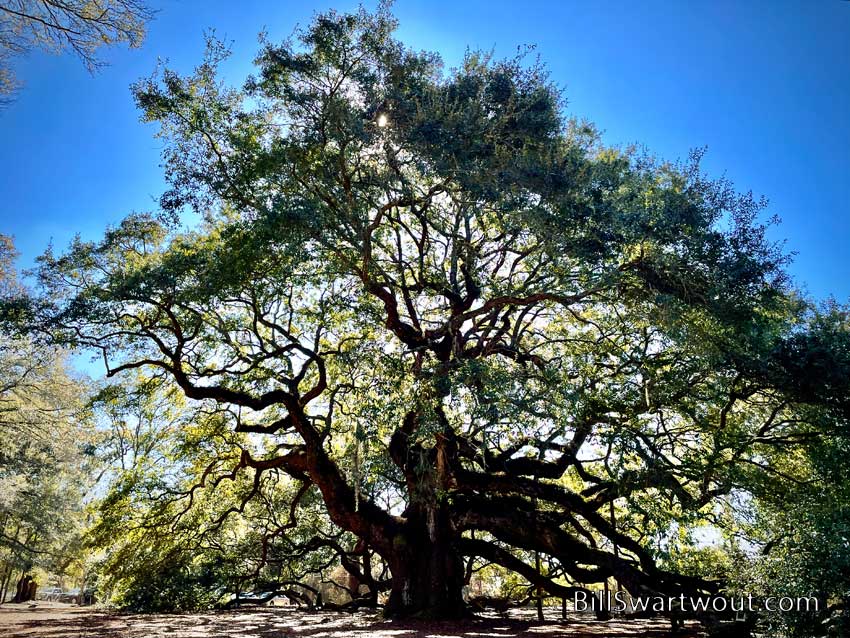
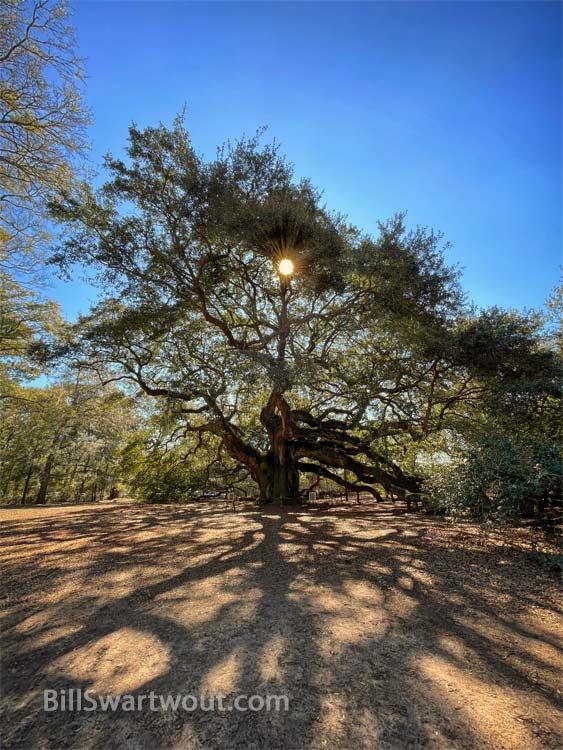
Tucked away in the heart of South Carolina’s picturesque Lowcountry, stands the ancient and awe-inspiring Angel Oak Tree. With its sprawling branches, some reaching up to 65 feet, and a canopy that spans over 17,000 square feet, this natural wonder is believed to be over 400 years old. The tree’s enduring presence evokes a sense of serenity and timelessness, inviting visitors to experience an unparalleled connection with nature.
The Angel Oak as seen backlit on a sunny day, which emphasizes its immense structure.
As one gazes upon the Angel Oak Tree, it becomes evident that this magnificent specimen has stood witness to centuries of history and change. Its gnarled limbs seem to tell stories of resilience and growth, offering a tangible link to the past while inspiring contemplation about the future. Surrounded by lush greenery and resonant with tranquility, this sacred site serves as a poignant reminder of nature’s enduring beauty and significance in our lives. Whether you are a nature enthusiast or simply seeking solace in the midst of modern chaos, the Angel Oak Tree promises an unforgettable encounter that transcends time and captures the essence of South Carolina’s natural splendor.
History of Angel Oak Tree
The Angel Oak is a majestic natural wonder with a rich and intriguing history. Believed to be around 400-500 years old, this sprawling live oak has stood witness to centuries of events and changes in the surrounding environment. Named after the estate of Justus Angel, who once owned the land where it grows, the tree has become an iconic symbol of resilience and endurance.
Visitors are often struck by the awe-inspiring presence of the Angel Oak Tree, its massive limbs stretching out like ancient guardians embracing all who come near. The significance of this living monument goes beyond its physical beauty; it serves as a reminder of our deep connection to nature and our shared history. From Native American legends to European settlers’ tales, the tree embodies a tapestry of cultural narratives that have shaped the region over time. Whether you’re drawn to its soothing shade or its remarkable survival against natural disasters and development pressures, there’s something undeniably captivating about the Angel Oak Tree’s enduring legacy.
Characteristics and significance
The Angel Oak Tree, located near Charleston, SC, stands as a testament to the enduring characteristics of strength and resilience. Its massive limbs stretch outwards, offering shade and sanctuary for countless visitors who come to marvel at its magnificence. The tree’s longevity, estimated at over 400 years old, serves as a powerful symbol of timelessness and endurance in the face of adversity.
Moreover, the significance of the Angel Oak Tree extends beyond its physical presence; it embodies a deep connection to history and nature. As one stands in awe beneath its sprawling branches, there is a profound sense of reverence for the interconnectedness of all life on earth. The tree evokes a feeling of humility and respect for the natural world, reminding us of our place within it and inspiring an appreciation for the beauty and wisdom that can be found in even the oldest living organisms.
Visitors and tourism
Visitors and tourism play a vital role in the preservation and promotion of natural wonders like the Angel Oak Tree near Charleston, South Carolina. The influx of tourists not only brings economic benefits to the local community but also raises awareness about the significance of protecting these natural treasures. Moreover, visitors have the opportunity to learn about the history and cultural importance of the Angel Oak Tree, fostering a deeper appreciation for nature.
Tourism also creates an opportunity for cultural exchange and understanding as people from various backgrounds come together to experience this remarkable attraction. Additionally, by attracting attention from around the world, tourism can encourage greater investment in conservation efforts to safeguard such iconic landmarks for future generations. Overall, visitors can contribute positively to the sustainability and protection of places like the Angel Oak Tree through their engagement with responsible tourism practices and support for environmental initiatives.
Conservation efforts
Angel Oak signage to help preserve the tree.
Conservation efforts around the world are crucial for preserving natural wonders like the Angel Oak. With 400,000+ visitors every year, the sustained popularity of this iconic tree has led to increased foot traffic and potential damage to its delicate ecosystem. In response, conservationists have implemented measures to protect the Angel Oak Tree, such as controlled visitation hours, ample signage, and educational programs to promote responsible tourism.
Moreover, collaborative partnerships between local communities and environmental organizations have further bolstered these efforts. By engaging with residents and visitors alike, these initiatives seek to foster a deeper appreciation for nature while emphasizing the importance of sustainable practices. Overall, championing conservation efforts not only safeguards treasured landmarks but also cultivates a legacy of environmental stewardship for future generations to embrace and uphold.
Local legends and myths
Local legends and myths have long been associated with the Angel Oak Tree. One of the most popular legends is that the tree is named after an 18th-century ghost known as the Angel of Bethesda, who supposedly haunts its branches. Some locals also believe that the tree is inhabited by protective spirits that watch over all who visit it. These stories have contributed to the mystical aura surrounding the Angel Oak, adding a layer of intrigue to its already impressive presence.
In addition to these supernatural tales, there are also local myths about the origin and age of the tree. While scientists estimate its age to be around 400-500 years old, many legends claim it to be much older, attributing its existence to divine or mythical origins. These myths serve not only as folklore but also as a testament to the deep reverence and awe inspired by this magnificent natural wonder in South Carolina.
Preserving this natural wonder
In conclusion, the preservation of the Angel Oak in the South Carolina Low Country is not just a matter of environmental conservation but also a testament to our appreciation for natural wonders. This majestic oak stands as a symbol of resilience and endurance in the face of urbanization and climate change. Preserving this natural wonder not only ensures the survival of a unique species but also provides an opportunity for future generations to connect with nature in its purest form.
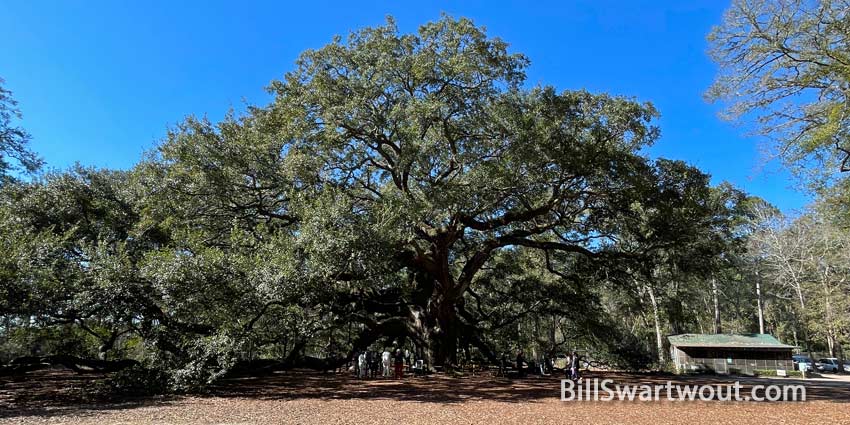
Angel Oak Tree from afar to give an idea of how far across the branches reach.
Furthermore, by protecting the Angel Oak Tree, we uphold our commitment to biodiversity and ecological balance. The tree provides habitat for various organisms, contributes to air quality, and adds irreplaceable beauty to the landscape. Its preservation also serves as a reminder that small acts can make a big difference – from supporting local conservation efforts to advocating for sustainable development practices. In essence, preserving this natural wonder is an investment in both the present and future well-being of our planet and all its inhabitants.
Visit Angel Oak Park
Location: 3688 Angel Oak Rd, Johns Island, SC 29455
Imagine embarking on a journey across the wild frontier in a rugged Conestoga wagon, part of the historic Oregon Trail adventure.
The Conestoga Wagon was an iconic symbol of the westward expansion, ferrying brave pioneers across rugged terrain as they sought new opportunities in the American frontier. Its sturdy construction and large capacity made it a reliable mode of transportation along the Oregon Trail, a treacherous route that tested the resilience of those seeking a better life in the West. The journey was both grueling and exhilarating, as families faced unpredictable weather conditions, scarce resources, and encounters with indigenous tribes.
Conestoga Wagon on the Oregon Trail at Scott’s Bluff, Nebraska
As travelers on the Oregon Trail approached present-day Nebraska, they were met with the imposing sight of Scott’s Bluff. This natural formation served as a landmark for weary travelers, offering hope and inspiration as they pushed onward toward their destination. For these intrepid explorers, Scott’s Bluff represented not only a geological marvel but also a symbol of perseverance and determination in the face of adversity. Today, visitors can still experience the awe-inspiring presence of Scott’s Bluff and gain a deeper appreciation for the sacrifices made by those who dared to venture into uncharted territory during this pivotal period in American history.
Conestoga Wagon on the Oregon Trail as a simulated 1950’s print
In conclusion, the Conestoga Wagon, Oregon Trail, and Scott’s Bluff are integral components of America’s westward expansion narrative. Their stories serve as potent reminders that courage and fortitude allowed countless individuals to forge new paths across untamed landscapes in pursuit of prosperity and freedom. As we reflect on these remarkable feats of human resilience, we honor those who blazed trails into unknown territories and expanded our nation’s horizons forevermore.
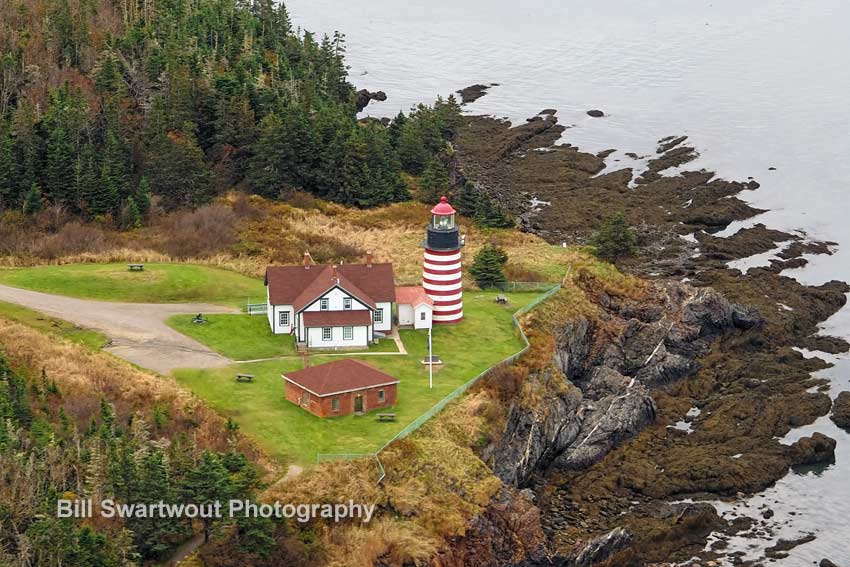
Nestled on the northeastern coast of the United States, Lubec, Maine boasts a stunning location that promises both tranquility and adventure.
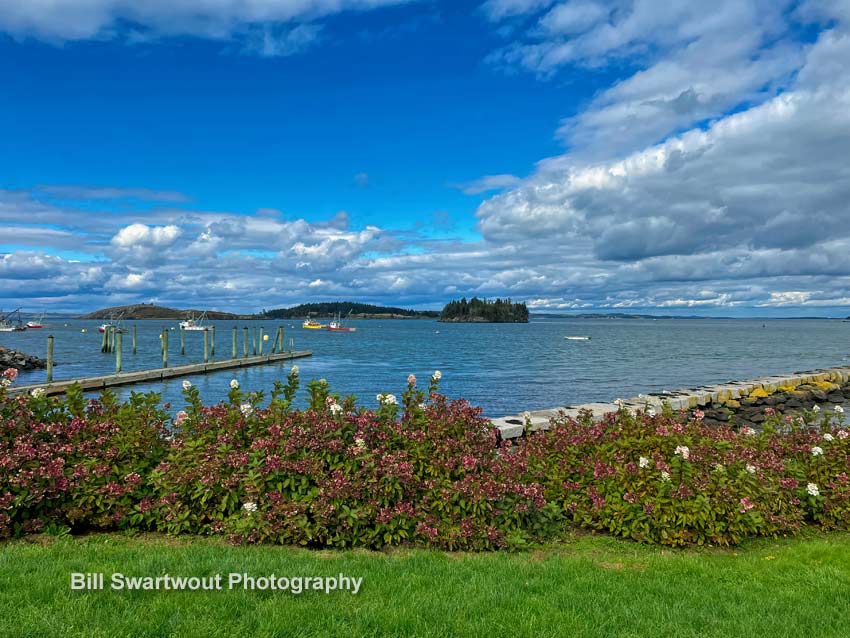
The Scenic View of the Harbor at Lubec Maine: A Seaside Escape
Perched on the easternmost point of the United States, Lubec, Maine offers a truly enchanting seaside escape. The picturesque views of the Bay of Fundy and Campobello Island create a serene backdrop for a relaxing getaway. With its charming lighthouses, rugged coastline, and vibrant local culture, this hidden gem provides an authentic experience that’s off the beaten path.
Visitors to Lubec can immerse themselves in the rich maritime history and explore stunning coastal trails while breathing in the fresh ocean air. From whale watching excursions to indulging in freshly caught seafood at local eateries, there’s no shortage of ways to connect with nature and savor the slow-paced charm of this coastal haven. As day transforms into evening, witnessing magical sunsets across the sea becomes an unforgettable highlight for anyone seeking rejuvenation amidst breathtaking natural beauty.
History of the Lubec area:
Lubec, Maine boasts a rich and fascinating history that lends depth to its picturesque harbor views. As one of the easternmost towns in the United States, Lubec holds a unique place in American history. Established in 1785, it has weathered conflicts such as the War of 1812 and prospered during eras of maritime trade and fishing. The town’s historical significance is also tied to its proximity to Canada, with strong ties to both Wabanaki Native American tribes and early European settlers.
Furthermore, Lubec’s strategic location has made it an essential port for international trade throughout history. From Grand Manan Island to the Fundy Isles, ships from around the world have relied on its sheltered harbor as a safe haven amid their seafaring journeys. This enduring legacy contributes to the magnetic allure of Harbor View at Lubec Maine – a place where visitors can immerse themselves not only in stunning coastal vistas but also in centuries-old tales of adventure and survival that continue to shape its identity today.
Location of Lubec, ME:
Nestled on the northeastern coast of the United States, Lubec, Maine boasts a stunning location that promises both tranquility and adventure. With its picturesque harbor view, visitors are treated to an ever-changing canvas of moody skies, playful seabirds, and bobbing fishing boats. As the easternmost town in the contiguous United States, Harbor View at Lubec offers a rare sense of being on the edge of civilization, where the raw beauty of nature takes center stage.
The unique geography of Lubec creates an enchanting atmosphere where the ocean meets lush forests and rugged cliffs. The town’s proximity to Canada adds an international flair, with views stretching across Passamaquoddy Bay toward New Brunswick. This setting beckons visitors to explore coastal life at its most authentic while savoring the simple pleasures of strolling along rocky shores or reveling in breathtaking sunsets. Indeed, Harbor View at Lubec presents an unparalleled opportunity to immerse oneself in nature’s grandeur and find solace in this remote corner of America.
Attractions in the Lubec area:
As you stand on the rugged cliffs of Lubec, Maine and gaze out across the shimmering waters of the harbor, a sense of wonder fills your being. What draws visitors to this charming coastal town is not just its picturesque views but also its fascinating attractions. One standout feature is West Quoddy Head Light, one of the most iconic lighthouses in the United States. Dating back to 1808 and perched dramatically atop red-and-white striped cliffs, this historic structure beckons adventurers and history enthusiasts alike.
For nature lovers, a visit to Quoddy Head State Park promises an immersive experience in Maine’s natural beauty. Unique rock formations along with tide pools teaming with marine life offer a mesmerizing encounter with Mother Nature’s handiwork. Whether you’re exploring trails shrouded by dense forests or capturing breathtaking vistas along the coastline, there’s an undeniable allure to this untouched paradise that will leave a lasting impression on any visitor.
Activities:
Step out of your comfort zone and immerse yourself in the diverse range of activities that Harbor View at Lubec Maine has to offer. From serene coastal walks along the picturesque shoreline to adrenaline-pumping whale watching excursions, there’s something for everyone. Dive into the rich maritime history with a visit to the West Quoddy Head Light or indulge in a day of kayaking while soaking up the breathtaking views of Canada across the bay.
For those seeking a more laid-back experience, don’t miss out on exploring local art galleries showcasing unique works inspired by the natural beauty of this coastal haven. Indulge in birdwatching and witness majestic bald eagles soaring overhead or simply unwind with some beachcombing on one of the pristine, secluded beaches. Whether you’re an adventure seeker or simply looking for relaxation, Harbor View at Lubec Maine provides endless possibilities for creating unforgettable memories amidst stunning natural surroundings.
Local Cuisine:
The local cuisine in Lubec, Maine is a delightful reflection of the town’s coastal charm and fishing heritage. Visitors to Harbor View can expect to savor the freshest seafood offerings sourced directly from the nearby waters. From lobster rolls and clam chowder to steamed mussels and haddock fillets, each dish exudes a taste of the sea that’s unmatched by anything found inland. The local restaurants take pride in crafting dishes that showcase the simple beauty of their surroundings, emphasizing quality ingredients and traditional preparation methods.
One cannot help but be drawn to the unique fusion of flavors found in Maine’s local cuisine. With influences from Indigenous Wabanaki cooking techniques and French Acadian culinary traditions, each bite tells a story of cultural exchange and adaptation. Visitors have the opportunity to immerse themselves in this rich tapestry of tastes through exploring diverse dining options around Lubec, offering an authentic experience that reflects both history and innovation on every plate. Whether it’s indulging in wild blueberry pancakes for breakfast or savoring a classic lobster bake at sunset, discovering local cuisine is an essential part of savoring everything that makes Lubec so special.
Accommodation options:
When it comes to accommodation options at Harbor View in Lubec, Maine, visitors are spoiled for choice. From the charming bed and breakfasts dotting the coastline to the cozy cottages nestled in lush gardens, there’s something for everyone. For those seeking a more immersive experience, waterfront cabins offer stunning views of the bay, allowing guests to wake up to the sound of waves crashing against the shore.
Alternatively, glamping enthusiasts can indulge in luxury camping experiences with fully-equipped tents and access to all modern amenities. Whether you prefer a rustic retreat or a lavish escape, Harbor View at Lubec Maine provides an array of accommodation options that cater to diverse tastes and desires. Soak in the picturesque surroundings while enjoying comfort and relaxation at its finest.
Click the links below to browse and purchase wall art prints:
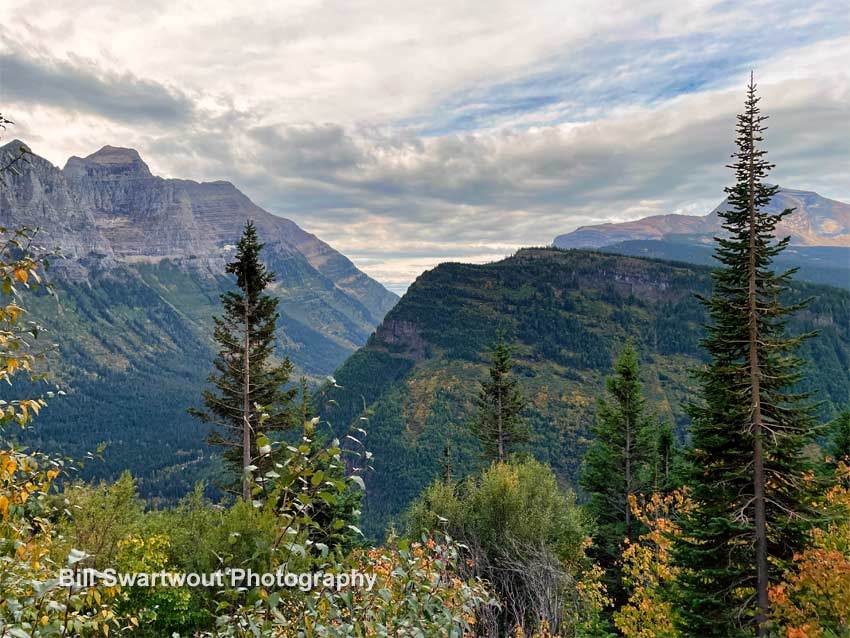
The beauty of Glacier National Park, West Glacier, Montana
Nestled in the heart of Montana, Glacier National Park is an awe-inspiring wonderland of natural beauty and pristine wilderness. With its rugged mountains, crystal-clear lakes, and abundant wildlife, this iconic park entices visitors with its unspoiled splendor. The park’s sheer cliffs, cascading waterfalls, and lush meadows create a captivating tapestry of colors and textures that leave a lasting impression on all who venture into its midst.
As you traverse the park’s network of hiking trails or gaze out from scenic overlooks, you’ll be greeted by a panorama of breathtaking vistas that evoke a sense of wonder and tranquility. From the iconic Going-to-the-Sun Road to the remote backcountry trails, Glacier National Park offers an unparalleled opportunity to immerse yourself in nature’s grandeur. Whether it’s the silent majesty of glaciers or the vibrant hues of alpine wildflowers, every corner of this remarkable landscape tells a story that captivates all who are fortunate enough to behold it.
2. History: Formation and significance of the park
The history of Glacier National Park is as rich and diverse as its breathtaking scenery. Established in 1910, the park holds great significance not only for nature enthusiasts but also for indigenous communities whose ancestral lands encompass the park. The formation of the park stemmed from a desire to preserve this natural wonderland and ensure that future generations could marvel at its beauty. It stands as a tribute to conservation efforts, serving as a reminder of the importance of protecting our planet’s ecological treasures.
What makes Glacier National Park truly remarkable is its cultural and historical value. Past human endeavors have left an indelible mark on the landscape, from ancient rock art to historic lodges nestled in the wilderness. Each trail tells a story, each peak bears witness to countless years of change and adaptation. The park serves as a living museum, where visitors can explore not only pristine nature but also trace the footsteps of those who have cherished these lands for centuries.
In essence, Glacier National Park’s formation heralds not just a commitment to preserving natural wonders but also acknowledges the deep connection between humanity and nature. Its significance lies not just in its stunning scenery but in its role as a testament to our collective responsibility toward safeguarding our planet for future generations.
3. Landscapes: Diverse terrain and breathtaking views
As you stand perched upon the craggy cliffs of Glacier National Park, your eyes are awash with a tapestry of diverse landscapes. From cascading waterfalls that dance down sheer rock faces to serene alpine meadows that stretch as far as the eye can see, this park is a testament to the Earth’s wondrous variety. Snow-capped peaks stand in stark contrast to deep valleys carved by ancient glaciers, creating an ever-changing panorama that leaves visitors breathless with wonder.
At every turn, the landscape transforms before your eyes, presenting a symphony of natural beauty. The jagged ridges of the Rocky Mountains give way to tranquil lakes reflecting towering forests and endless skies. Each vista offers a new perspective on nature’s artistry, captivating travelers with its pristine wilderness and untamed allure. Such extraordinary diversity within one majestic park serves as an illuminating reminder of our planet’s boundless creativity and enduring splendor.
4. Wildlife: Fauna and flora in the park
Amidst the stunning landscapes of Glacier National Park, a rich tapestry of wildlife thrives, adding another layer of wonder to this natural paradise. The park is home to a diverse range of fauna, including iconic species such as grizzly bears, mountain goats, and bighorn sheep. These powerful and graceful creatures roam freely through the rugged terrain, offering visitors exhilarating glimpses into their untamed world. Additionally, over 260 bird species have been documented within the park, making it a haven for birdwatching enthusiasts.
In addition to its vibrant fauna, Glacier National Park is also adorned with an exquisite array of flora that further enhances its breathtaking beauty. Lush alpine meadows burst with vibrant wildflowers during the summer months while dense coniferous forests create an enchanting backdrop throughout much of the park. Astounding plant diversity can be found here, from delicate alpine blooms to ancient cedar trees that have stood watch over the landscape for centuries. Each step through this floral wonderland unveils a new palette of colors and scents that complements the grandeur of Glacier’s dramatic scenery.
5. Activities: Hiking, boating, and outdoor adventures
One of the most alluring aspects of Glacier National Park is the abundance of outdoor activities it has to offer. With over 700 miles of maintained trails, hiking enthusiasts can explore an array of landscapes from towering alpine meadows to pristine lakeside paths. Whether you’re a seasoned backpacker or a casual day hiker, the park’s diverse terrain provides something for everyone, making it an ideal destination for outdoor adventurers.
In addition to hiking, Glacier National Park is also a haven for boating enthusiasts. The crystal-clear waters of Lake McDonald and St. Mary Lake offer unparalleled opportunities for paddling and boating amidst stunning mountain backdrops. Adventurers can rent kayaks or canoes to explore secluded coves and witness the park’s breathtaking scenery from a unique perspective. With so many waterways waiting to be explored, boating in Glacier National Park promises unforgettable experiences for nature lovers and outdoor enthusiasts alike.
6. Conservation: Efforts to preserve the park’s natural beauty
In recent years, Glacier National Park has seen an increase in efforts to conserve and preserve its natural beauty. Dedicated conservationists have been implementing measures to protect the delicate balance of the park’s ecosystems and ensure that future generations can continue to enjoy its stunning scenery. These efforts include wildlife management programs, visitor education on Leave No Trace principles, and sustainable infrastructure development.
One notable initiative is the restoration of native plant species to combat invasive plants that threaten the park’s biodiversity. Additionally, new research and monitoring programs are being implemented to better understand the impact of climate change on the park’s landscapes and wildlife. These conservation efforts not only aim to maintain Glacier National Park’s aesthetic appeal but also contribute to crucial environmental protection on a broader scale.
Overall, these initiatives reflect a commitment to responsible stewardship of this precious natural resource, paving the way for continued appreciation of Glacier National Park’s unparalleled beauty while ensuring its preservation for generations to come.
7. Conclusion: Encouraging visitors to experience Glacier’s splendor
As we come to the end of our journey through Glacier National Park’s breathtaking scenery, one thing is certain: this is a place that must be experienced first-hand. The rich diversity of landscapes, from towering mountains and pristine lakes to ancient forests and abundant wildlife. This offers an unparalleled opportunity for adventure and rejuvenation. Whether you’re seeking peaceful solitude or heart-pounding exploration, Glacier has something for everyone.
So, I encourage you not to let these words be the end of your Glacier experience—let them be the beginning. Plan your visit, breathe in the crisp mountain air, feel the sun on your face as it glistens off glacial waters, and marvel at nature’s unbridled beauty. Embrace the challenge of its rugged trails or find solace in its quiet nooks. Either way, you’ll leave with unforgettable memories etched into your soul. Let Glacier’s splendor ignite a passion for wilderness within you that will last a lifetime.
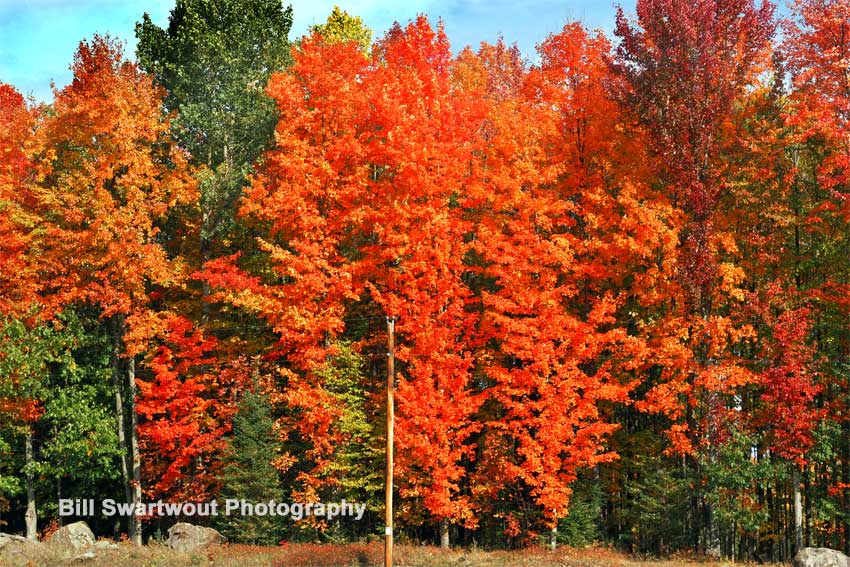
Yooper foliage rivals the famed New England Fall Foliage
Ah, fall in the Michigan Upper Peninsula. The time of year when Mother Nature takes out her paintbrush and transforms the landscape into a riot of vibrant colors. As you drive along the winding roads, you can’t help but feel like you’re driving through a giant kaleidoscope. From the fiery oranges to the deep purples, every turn offers a new burst of beauty that will leave you breathless…and maybe a little dizzy.
But let me tell you, experiencing fall foliage in the UP is not all about picturesque scenes and scenic drives. Oh no, my friends! It’s also about becoming an expert leafologist. You see, there are different types of leaves out there that I guarantee you’ve never heard of before. Like the Flutterleaf – these little buggers have tiny wings that make them dance on the breeze. Or how about the Sparkleleaf? These leaves are covered in tiny crystals that catch the sunlight and make them shimmer like diamonds as they fall to the ground.
So don’t just settle for your average autumn experience this year. Head up to Michigan’s Upper Peninsula and immerse yourself in a world where even the leaves have tricks up their sleeves (or should I say branches?). Get ready for nature’s very own color show and be prepared for surprises around every corner – because when it comes to fall foliage in Michigan UP, nothing is as it seems…except for one thing: pure magic awaits you!
Just in case you need some fall foliage colors for your wall, this is available as a print on your choice of surfaces. Prints available: CLICK HERE.